


CBD user profiles: who consumes and why
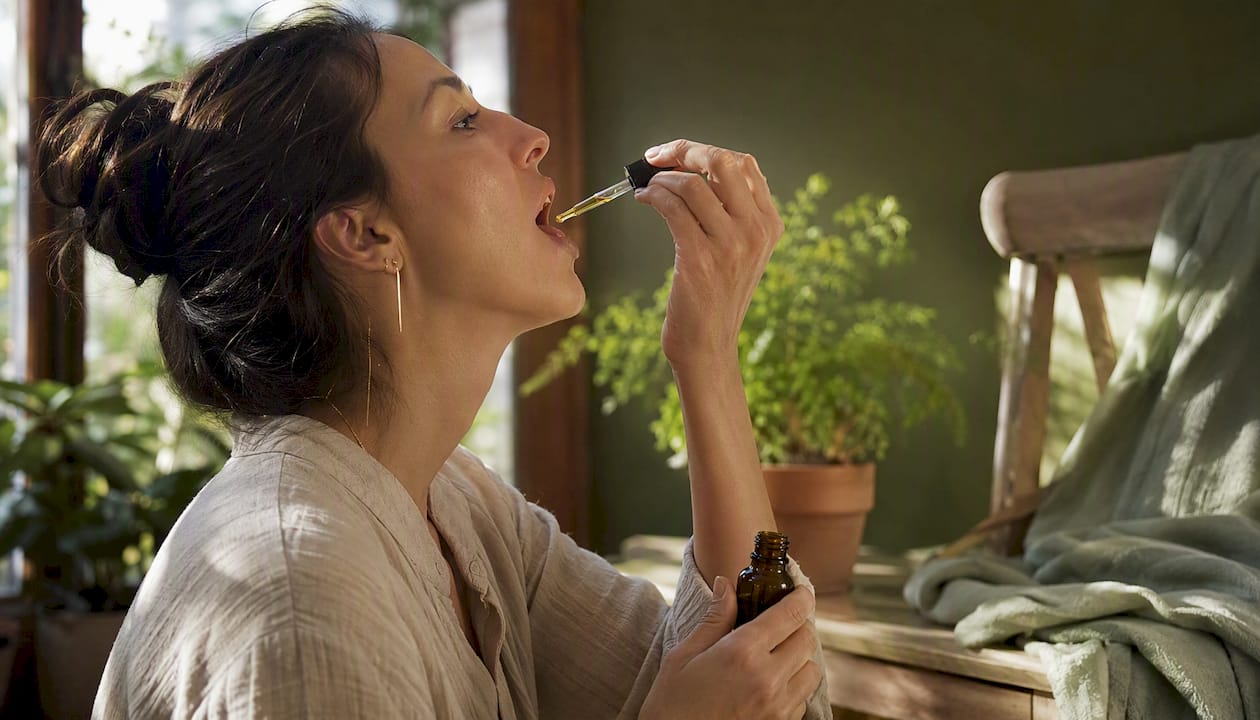
Consumers of CBD in France are mostly young adult women, driven primarily by anxiety, sleep disorders and stress. One cross-sectional study of 387 users reveals that the majority of respondents are women; The main reasons cited include anxiety, sleep problems and stress. The vast majority use less than 50 mg daily and favour the sublingual route.
These figures deserve to be read with caution: they come from self-reported surveys, often recruited online, with a real risk of self-selection bias. The observed profiles therefore reflect both survey respondents and the total user population.
Key points
CBD user profiles mostly include young adult women, motivated by anxiety and sleep, promoting sublingual uses with moderate doses.
| Dot | Details |
|---|---|
| Dominant profile | Women (61.2%), 25–44 years, main reasons: anxiety (42.6%) and sleep (42.5%) |
| Majority strength | 54% of users consume less than 50 mg daily, with the sublingual route leading (72.6%) |
| Form according to pattern | Sublingual oil for anxiety/sleep, topical for local pain, vaps for quick effect |
| Purchasing criteria | Third-party COA, spectrum (full/broad), origin of hemp and CO2 extraction method |
| Risks | Interactions via CYP450, somnolence, digestive disorders; recommended medical consultation before use |
Table of Contents
- Who uses CBD? Demographic profile of users
- How do behaviours vary by age?
- Do women and men use CBD differently?
- Why do people use CBD? Reasons by frequency
- What frequency and dosages do users report?
- What forms of CBD do users prefer?
- Where do they buy CBD and what budget do they spend on it?
- How is CBD perceived socially, and do users know the law?
- What are the risks and side effects to know?
- What do CBD studies really say?
- What data and terrain really teach us
- Sources
Who uses CBD? Demographic profile of users
Age, gender and socio-economic level
The available data draw a dominant profile: young adult (18–44), female, urban and relatively educated. The 25–34 age group accounts for the largest share of users in most published surveys, followed closely by the 35–44 age group.
| Age group | Estimated share of users | Dominant grounds |
|---|---|---|
| 18–34 years | 15 % | Experimentation, stress, general welfare |
| 25–34 years | About 30–35 % | Anxiety, sleep, recovery |
| 35–54 years | Approximately 25–30% | Chronic pain, sleep, work stress |
| 55 years and over | About 10-15% | Joint pain, recovery, sleep |
In terms of gender, the Journal of Cannabis Research study places women at 61.2% of respondents. This overrepresentation of women is consistent with other market surveys, although it may be partly explained by the fact that women are more willing to respond to health surveys.
On the socio-economic level, representative data for France are lacking. The available signals suggest an overrepresentation of the categories with a higher level of education than the baccalaureate, which corresponds to the populations who actively inform online before purchasing. This observation remains to be confirmed by representative national surveys.
Methodological warning: Almost all studies are based on online surveys, recruited via social networks or specialised forums. The samples are therefore urban, anglophone or francophone connected, and overrepresent already convinced users.
How do behaviours vary by age?
The motivations and patterns of consumption are not uniform across generations. Each age group develops its own rituals and expectations of CBD.
- 18–34 years: stress related to education or early career is the main driver. This slice experimentes with CBD flowers, vaps and sublingual oils. Use is often punctual at first, before becoming more regular if the perceived effects are positive.
- 35–54 years: chronic pain and sleep disorders add to anxiety. Daily use is more common in this slice, with a preference for full spectrum or wide spectrum oils, perceived as more complete. Post-sport recovery also begins to appear as a pattern.
- 55 years and over: joint pain and physical recovery dominate. Topicals (balms, patches, roll-ons) and sublingual oils are popular for their ease of use and targeted action. The use of vaps or flowers remains marginal in this group.
What this gradation actually reveals: manufacturers and distributors who offer a wide range, from flowers to topical ones, cover real needs that only partially overlap from one generation to another.
Do women and men use CBD differently?
Yes, and the differences are less about quantity than the reasons for use and the relationship to the product.
Women report more frequent use of CBD for anxiety and insomnia, with commonly described use as « if necessary » Rather than strictly daily. They also place greater emphasis on the galenic form and traceability of the product. CBD cosmetics (creams, balms, roll-ons) are found mainly among users.
Men, for their part, refer more to general well-being and sport recovery. They tend towards slightly higher dosages and more regular use over time.
These trends are observed in several surveys, but do not constitute an established scientific consensus. Inter-individual differences remain greater than differences between gender groups, and generalizations should be handled with caution.
There is currently no large, randomized clinical trial specifically comparing the effects of CBD in women and men. Available data come almost exclusively from self-reported surveys.
Why do people use CBD? Reasons by frequency
Self-reported reasons for use are relatively stable across studies. The published surveys, including the Journal of Cannabis Research's cross-sectional study, show that:
- Anxiety (42.6% of respondents in the baseline study)
- Sleep disorders (42,5 %)
- Stress (37 %)
- Pain (chronic pain, joints, muscle)
- General welfare (preventive or comfort use)
- Sports recovery (post-training use, inflammation)
- Skin care (acne, eczema, hydration)
The essential nuance: these figures reflect reasons self-reportednot clinically proven effects. For anxiety and sleep, current clinical evidence remains limited and heterogeneous, with small tests and results that require confirmation by more robust randomized studies.
Emerging uses such as sports recovery and skin care are gaining ground, supported by a more focused product communication. The placebo effect remains a difficult variable to isolate in observational studies, which complicates interpretation of perceived benefits.
What frequency and dosages do users report?
| Frequency of use | Estimated share of users | Associated reasons |
|---|---|---|
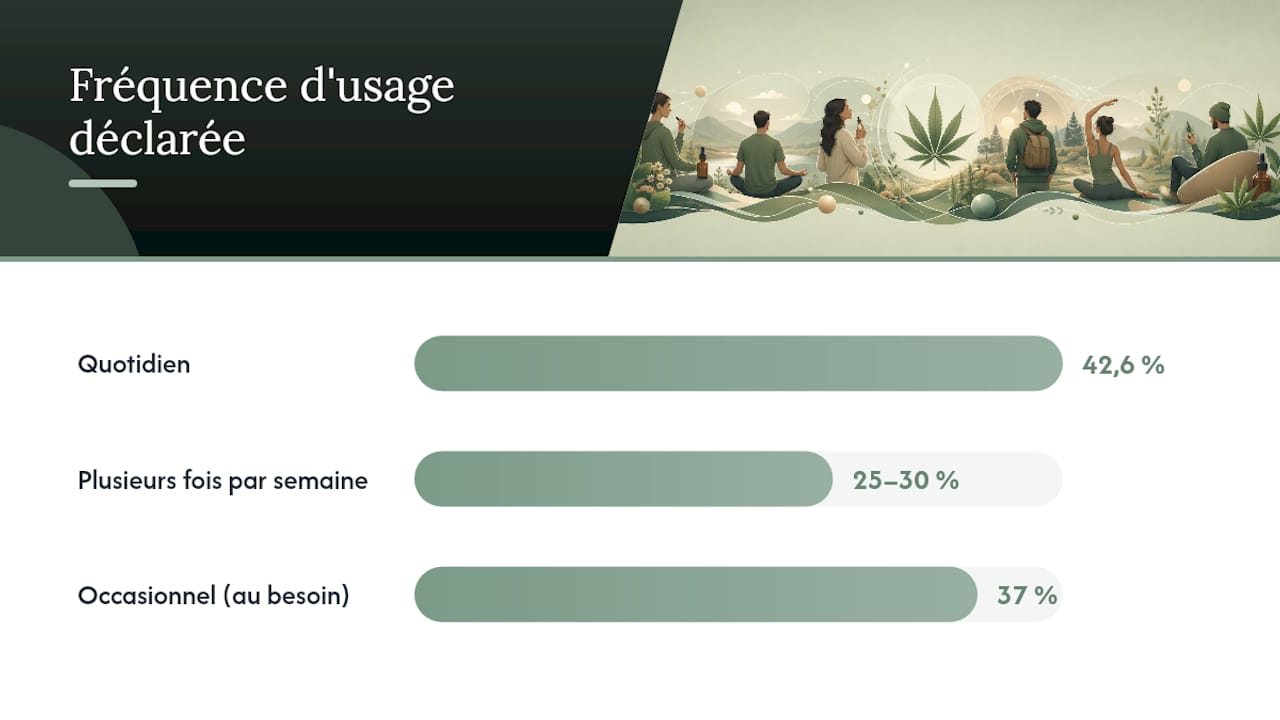
| Daily | 42,6 % | Chronic anxiety, pain, regular sleep |
| Several times a week | Approximately 25–30% | Special stress, sports recovery |
| Occasional (if required) | 37 % | Temporary insomnia, stressful events |
On dosing, the cross-sectional reference study indicates that a majority of users report using moderate doses of CBD per day, corresponding to moderate use. A minority exceeds 100 mg daily, usually for chronic pain or controlled therapeutic use.
Some practical benchmarks:
- Beginners often start between 5 and 15 mg a day, gradually increasing.
- The duration of use varies from a few weeks (one-off test) to several years for chronic use.
- The correlation between duration of use and pattern is clear: chronic pain users tend to long-term use, while those seeking to manage an episode of stress often stay for a few weeks.
What forms of CBD do users prefer?
The galenic form chosen depends directly on the pattern of use, the way of life, and the tolerance to certain methods of consumption.
- Sublingual oils: Supported for rapid absorption (15–45 minutes) and accurate dosing. Represent 72.6% of the use in the reference study. Adapted to anxiety and sleep disorders.
- Flowers and resins: appreciated by young users for quick effect and sensory experience. Require a spray or infusion for non-combustion use.
- Capsules and tablets: convenient for a fixed and discreet dosage, with slower absorption (1-2 hours). Agree to users who integrate CBD into a daily routine.
- Edibles and gummies: accessible and pleasant, but bioavailability varies according to metabolism. Popular among new users.
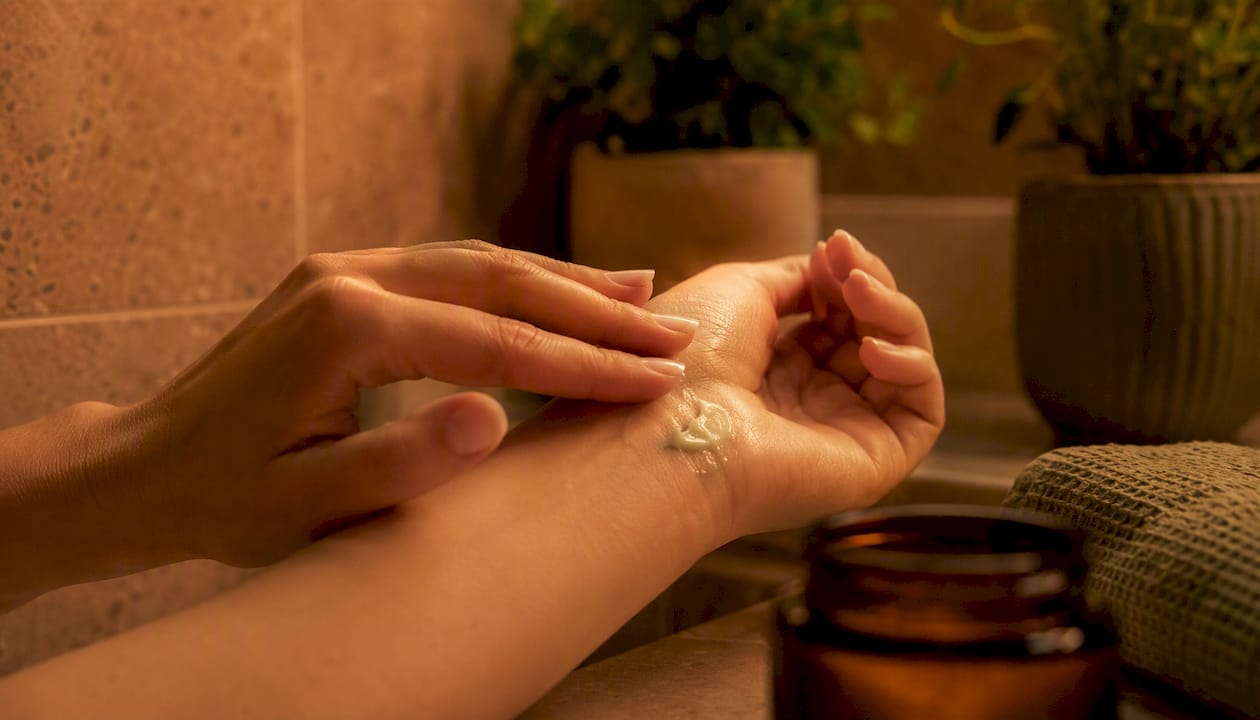
- Topicals (balms, creams, patches): local action without systemic effect. Privileges for muscle, joint or skin pain.
- Vaps and e-liquids: very rapid absorption, but long-term respiratory safety issues not fully resolved. More widespread use in 18–30 years.
On quality, the choice between isolate, Broad Spectrom and Full Spectrom influences the experience. Full spectrum retains all cannabinoids and terpenes, which promotes the surrounding effect. The presence of an independent laboratory certificate of analysis (COA) has become a determining criterion for informed buyers.
Where do they buy CBD and what budget do they spend on it?
The dominant shopping channel in France is e-commerce, which offers a wider choice, often more competitive prices and discretion appreciated by some users. Specialized physical shops retain a role for buyers who wish to be advised face to face.
Priority purchasing criteria, as reflected in recent market signals, are:
- The presence of a verifiable COA (third party analysis certificate)
- The CBD content clearly indicated
- The product spectrum (isolat, Broad Spectrom, Full Spectrom)
- Origin of hemp (European, preferably organic)
- The extraction method (supercritical CO2 considered as reference)
An occasional user will spend less than 30 € per month for entry-level oil, while daily use in full spectrum may exceed 80–100 € monthly. Organic certified products, with COA and CO2 extraction, are at the top of the range.
Pro Council: Before purchasing, check that the COA is accessible directly on the product page and that it comes from an accredited independent laboratory. A seller who does not publish its analyses should be considered with caution.
How is CBD perceived socially, and do users know the law?
The confusion between CBD and psychoactive cannabis remains common in the general public, and it weighs on user behaviour. Many hesitate to mention their use to their doctor or friends, for fear of being associated with drug use.
Key Issues on Stigma and Legal Knowledge:
- CBD is legal in France if the THC content remains below 0.3% in the finished product. In the United States, the 2018 Farm Bill legalized hemp CBD at the federal level, but regulations vary across states.
- Lack of awareness of this THC/CBD distinction leads some users to buy in uncontrolled circuits, increasing the risk of exposure to non-compliant products.
- Product communication plays a direct role in reducing stigma: clear labels, accessible COA and sober presentation help reposition CBD as a product of well-being rather than as a substance of risk.
- The official Ameli page Recalls that CBD is an active substance and recommends consulting a physician or pharmacist prior to use, particularly in case of concomitant treatments.
What are the risks and side effects to know?
CBD is generally well tolerated, but it is not without side effects or risk of interaction.
To be noted: According to Ameli.fr, the most commonly reported side effects are somnolence, digestive disorders (nausea, diarrhoea) and dry mouth. These effects occur primarily at high doses or in drug interactions.
Drug interactions deserve special attention. CBD is metabolised by cytochrome P450 enzymes, including CYP3A4 and CYP2C9 isoforms. By inhibiting these enzymes, it can alter the plasma concentration of many co-administered drugs, including anticoagulants (warfarin), some antiepileptics and immunosuppressants. The published pharmacokinetic data on PubMed document this mechanism.
Specific risk groups include:
- Patients on anticoagulants or chronic treatments
- People with hepatic impairment
- Pregnant or nursing women
- The elderly, multi-mediated
The additional safety studies stress the importance of medical monitoring for these populations. The practical recommendation is simple: start with a low dose, monitor symptoms for the first two weeks and consult with your doctor or pharmacist before starting, especially in case of ongoing treatment.
What do CBD studies really say?
| Study / Source | Method | Sample size | Key results |
|---|---|---|---|
| Journal of Cannabis Research | Cross-sectional online survey | 387 participants | Anxiety (42.6%), sleep (42.5%), stress (37%), 54% on 50 mg/ j |
| NCBI PMC (synthetic review) | Literature review | Multiple tests | Limited and heterogeneous evidence for anxiety and sleep |
| PubMed (safety studies) | Observational and clinical studies | Variables | Documented CYP450 interactions, moderate adverse reactions |
Methodological limitations are recurrent in the literature:
- Self-selection: Survey respondents are already convinced users, which overestimates perceived benefits.
- Small samples: Most clinical trials involve fewer than 100 participants, which limits generalization.
- Protocol heterogeneity: dosages, galenic forms and durations of intervention vary too much to allow solid meta-analysis.
- English Domination: Specific French data remain scarce.
Before drawing a conclusion from a study, do you ask three questions: what was the sample (size, recruitment)? Was there a control group? What exact dosage was used? A summary review of the literature available on NCBI and recent clinical trials on PubMed These methodological issues can be explored further.
What data and terrain really teach us
The published studies converge on a dominant profile: woman, young adult, motivated by anxiety or sleep, using low-dose sublingual oil. But this portrait deserves to be nuanced by the market side.
The demand for product transparency has changed in nature. A few years ago, price was the first criterion of purchase. Today, informed users first ask for COA, then the origin of hemp, then the spectrum. This shift towards verifiable quality is a strong signal: CBD consumers are no longer naive experimenters, they have become demanding buyers.
The other observation that deserves attention: the growth of uses among 45 years and older, especially for joint pain and recovery. This segment, often ignored in studies focusing on young adults, represents a growing commercial reality. Topicals and oils with full spectrum find their best ground.
Finally, scientific prudence is necessary. The perceived benefits are real for users, but the clinical evidence remains insufficient for definitive claims. Honesty on this point is, paradoxically, what builds confidence in the long term.
Sources
- Ameli
- Reasons for cannabidiol use: a cross-sectional study of CBD users, focusing on self-perceived stress, anxiety, and sleep problems | Journal of Cannabis Research
- NCBI PMC item (synthetic review) — source provided
- PubMed entry — source provided
For each source, systematically assess sample size, recruitment method and presence of a control group before drawing personal conclusions.
This article constitutes general information and does not replace the opinion of a qualified physician. Consult a qualified health professional about your personal case before acting on this content.